


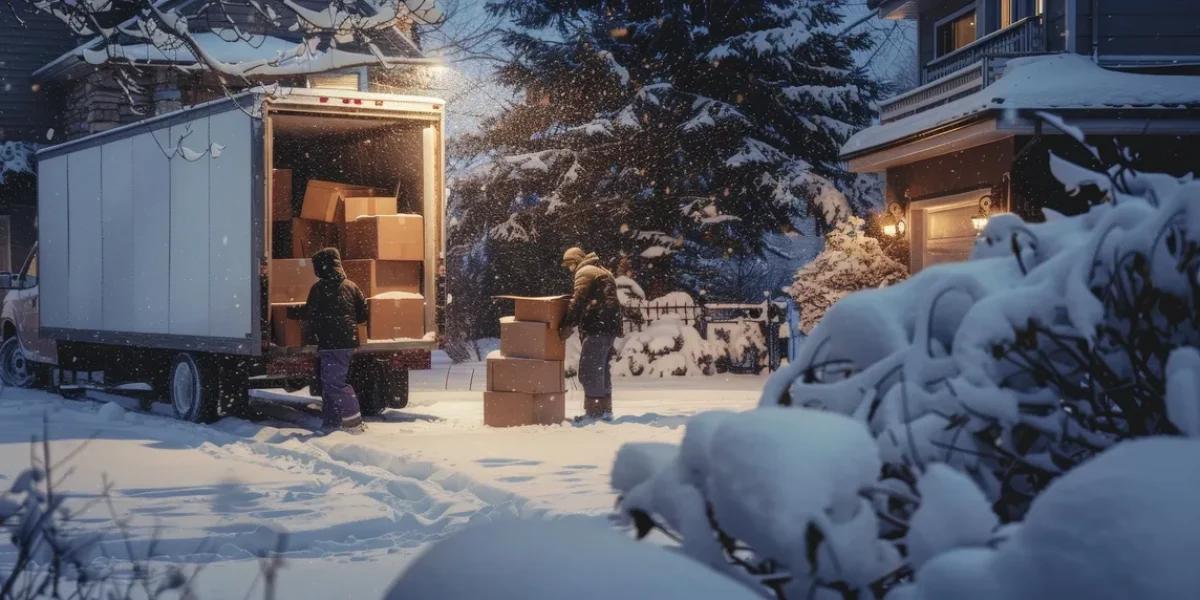
Moving during winter might seem like a daunting task, especially when you’re up against freezing temperatures, snow-covered driveways, and unpredictable Boise weather. But for many families and individuals relocating in the colder months, winter offers surprising advantages—including lower moving rates and greater schedule flexibility. With the right planning and support, your winter relocation can be just as smooth and stress-free as any summer move.
Better Way Boise provides professional local moving services year-round, including during Idaho’s coldest months. Whether you’re relocating within Boise, downsizing in Meridian, or transitioning to the foothills, this guide will prepare you for a successful winter move. From snow preparation to packing tips, here’s what you need to know to move safely and efficiently during the cold season.
Is Winter a Good Time to Move in Boise?
Winter may not be the traditional moving season, but in Boise, it has several benefits. With fewer people relocating between November and February, availability is higher and costs are often lower. Movers are less booked, meaning more flexibility in scheduling, and you’re less likely to experience delays due to peak season demand.
That said, Boise cold-weather moves do require special consideration. The city typically sees moderate snowfall between December and February, and temperatures often range from the 30s during the day to the teens at night. Sudden cold snaps and light ice can catch movers off guard, especially in shaded or elevated neighborhoods like Warm Springs Mesa or the Boise Foothills.
By choosing a company that understands local weather patterns and road conditions, you’ll reduce your chances of disruption while protecting your belongings from the elements.
What to Expect From Boise Winter Weather
While Boise winters aren’t as harsh as those in northern Idaho or the Rockies, they can still be challenging for movers. Snowfall is typically light but persistent, especially in residential areas, and icy sidewalks or foggy mornings can make logistics more complicated. However, with adequate prep, these conditions are entirely manageable.
You may experience:
- Slippery sidewalks, stairs, and driveways that require pre-treatment
- Road closures or traffic slowdowns due to ice or snow
- Cold-sensitive items (electronics, instruments, artwork) need extra care
- Wet conditions can lead to condensation or floor damage if unmanaged
Boise’s city services do a good job keeping roads navigable, but if your move takes you into hillside communities or older neighborhoods, it’s wise to inspect access routes ahead of time.
Local Tips for Moving in Boise’s Winter Conditions
Relocating in snow, ice, or frigid temperatures takes more than warm gloves. Knowing how to prep your current and future home—and communicate clearly with your moving team—makes a big difference in ensuring everything goes according to plan.
Helpful supplies to have on hand include:
- Ice melt or sand for walkways and steps
- Shovels or snow brushes for last-minute clearing
- Plastic runners or tarps to protect floors from snow and moisture
Cover all exterior walkways in advance, especially if snow is expected overnight. Clear a safe path from the door to the moving truck, and ensure movers have a place to park where they can access your home without slipping hazards.
If snow begins during your move, your team should be equipped to adapt quickly—Better Way Boise provides protective equipment, moisture-proof packing materials, and rescheduling flexibility if conditions become unsafe.
Protecting Belongings from Cold and Moisture
Temperature drops and wet conditions can damage your belongings if not handled properly. The most important precaution is protecting items during their transition from cold moving trucks into warm homes.
Tips for safeguarding your items during a winter move:
- Use plastic bins for clothing, books, and important documents
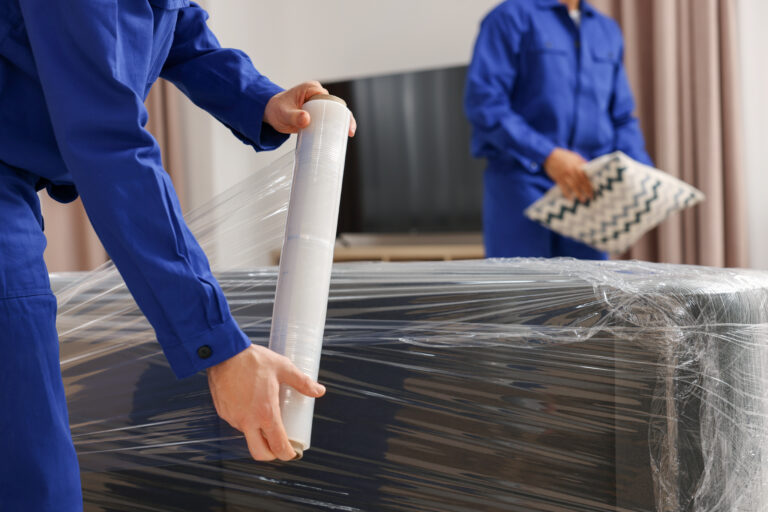
- Wrap wood furniture and electronics in waterproof moving blankets
- Allow items to adjust to room temperature before plugging in electronics
If possible, transport temperature-sensitive items like TVs, laptops, and artwork in your personal vehicle. This gives you better control over how they’re stored and ensures they won’t be exposed to fluctuating temperatures for long periods.
Preparing Your New Boise Home for a Winter Move-In
You want your new home ready for both you and your movers as soon as they arrive. Moving into a cold house can create delays and discomfort—not to mention safety issues.
Before moving day, be sure to:
- Turn on heat and utilities at least 24 hours in advance
- Lay down temporary floor protection like tarps or cardboard
- Confirm your driveway and walkways are cleared of snow or ice
Make sure indoor lighting works properly, especially near entryways. If power hasn’t been on recently, test outlets, furnace settings, and water lines to avoid surprises. And keep a box of essentials (gloves, extra socks, snacks, bottled water) easily accessible for yourself and your movers.
Work With Boise Movers Who Understand Winter
Moving during the winter can be unpredictable, but the right moving company can make it feel routine. Better Way Boise has years of experience navigating seasonal conditions and understands the unique challenges of moving in the snow in Boise. From icy sidewalks to frozen boxes, we’ve seen it all—and we know how to handle it.
We prepare our winter moves with:
- Floor runners and waterproof wrap
- Weatherproof bins and cold-sensitive transport strategies
- Flexible scheduling if the weather requires rescheduling
- Crews trained to lift and carry safely on slick surfaces
When you work with a local company that plans for every possibility, a winter move becomes more manageable—and even enjoyable.
If you’re moving this winter, contact Better Way Boise today. We’ll help you build a safe, comfortable, and well-timed relocation plan, no matter what the Idaho weather brings.