

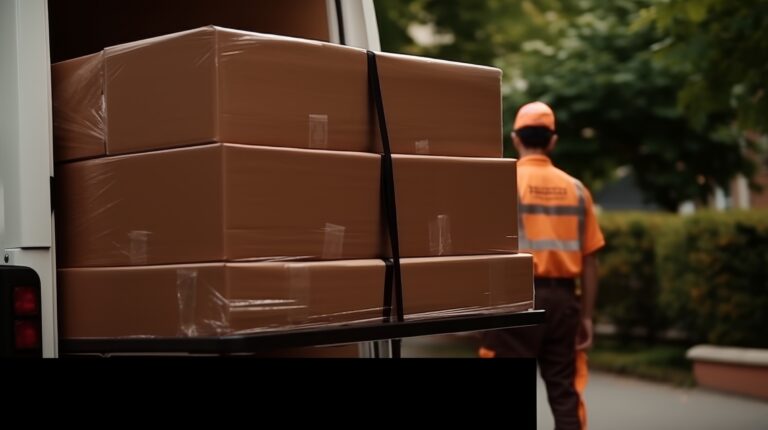





Moving in or out of an apartment comes with challenges that don’t exist in single-family home moves—and in Boise, those challenges are amplified by seasonal weather, building rules, parking limitations, and scheduling constraints. At Better Way Moving and Storage, apartment renters often reach out after a stressful experience where elevators weren’t reserved, move-in windows were missed, or winter conditions caused unexpected delays and fees. The reassuring reality is that most apartment moving problems are preventable with the right planning, communication, and mover selection.
This guide is renter-focused, detail-oriented, and designed to give you clarity. It explains how apartment movers in Boise handle elevators, building policies, parking logistics, winter conditions, and scheduling windows—plus how renters can avoid common mistakes that increase costs or cause delays. Whether you’re moving across the street or across the city, understanding these details can save time, money, and frustration.
Why Apartment Moves in Boise Are Different From House Moves
Apartment moves involve more variables than many renters expect. In addition to packing and transportation, you’re navigating shared spaces, building management rules, time restrictions, and limited access points. Boise apartment complexes—especially downtown, near BSU, and in growing neighborhoods like Meridian-adjacent areas—often have strict move-in and move-out policies to protect residents and property.
Common apartment-specific challenges include:
- Elevator reservations and time limits
- Designated move-in hours
- Parking restrictions for moving trucks
- Long carries from parking areas to units
- Staircases, tight hallways, and door clearance issues
According to guidance from the Better Business Bureau, many moving complaints stem from access and scheduling problems rather than the move itself. From firsthand experience at Better Way Boise, apartment moves that aren’t planned around these constraints are far more likely to run long, incur extra charges, or require rescheduling.
How Elevator Scheduling Can Make or Break Your Move
Elevators are one of the most critical—and most overlooked—parts of apartment moving in Boise. Many buildings require renters to reserve a service elevator in advance, sometimes with limited availability or specific time windows. If an elevator isn’t reserved, movers may be forced to wait, use stairs, or reschedule entirely.
Elevator-related issues that cause delays include:
- Forgetting to reserve the elevator
- Booking an elevator for too short a window
- Sharing elevators with residents during peak hours
- Damage protection requirements not completed
If movers are delayed because elevator access isn’t available, the time often still counts toward hourly billing. This is why coordination between the renter, property manager, and movers is essential.
A best practice is to confirm elevator reservations at least 7–10 days before moving day and re-confirm 48 hours prior. At Better Way Boise, clear elevator planning consistently leads to faster, smoother apartment moves.
Parking, Loading Zones, and Truck Access in Boise Apartments
Parking is another major factor that affects apartment moving costs and timing. Many Boise apartment complexes have limited loading zones or require permits for moving trucks. Downtown and high-density areas may restrict where trucks can park, especially during weekdays.
Potential parking-related issues include:
- Long carry distances from truck to unit
- Towing risks if parking rules aren’t followed
- Time lost searching for legal parking
- Additional fees for long carries
The Federal Motor Carrier Safety Administration advises consumers to ask movers about long-carry charges and parking requirements ahead of time. A long carry—typically defined as carrying items more than a certain distance from the truck to the unit—can add significant time and cost.
Renters can reduce risk by:
- Asking management about designated moving zones
- Reserving parking spaces if required
- Informing movers about distance and access
Preparation here directly affects how efficiently movers can work.
Winter Apartment Moves in Boise: Common Mistakes to Avoid
Winter moving in Boise is often more affordable, but it introduces additional considerations for apartment renters. Snow, ice, and freezing temperatures can affect access points, elevators, and walkways.
Common winter apartment moving mistakes include:
- Not clearing walkways or stairs before movers arrive
- Forgetting to protect floors from snow and moisture
- Underestimating the loading time in cold conditions
- Not accounting for shorter daylight hours
Industry data from the American Moving & Storage Association shows that winter moves can be 10–30% cheaper, but only when properly planned. From real-world experience, winter apartment moves that lack preparation often lose those savings due to delays.
To avoid winter-related issues:
- Clear and salt walkways and stairs
- Use protective floor coverings if required
- Schedule moves earlier in the day
- Confirm weather contingency plans
Boise’s winters are manageable, but they reward preparation.
Understanding Apartment Building Rules and Move-In Policies
Most apartment complexes have written move-in and move-out rules that renters are responsible for following. These policies often include:
- Approved move-in days and times
- Required insurance certificates from movers
- Deposit requirements for elevator use
- Noise restrictions
Failure to comply can result in fines, denied access, or forced rescheduling. According to consumer protection guidance from the Better Business Bureau, renters should review lease agreements and building policies well before moving day.
At Better Way Boise, one of the most effective steps renters take is sharing building rules with movers ahead of time. When movers know the rules, they can plan crew size, timing, and equipment accordingly.
How Apartment Layout Affects Moving Time and Cost
Not all apartments are equal when it comes to moving logistics. Factors that increase time include:
- Upper-floor units without elevators
- Narrow stairwells or hallways
- Tight doorways requiring furniture disassembly
- Shared entryways with heavy foot traffic
These details matter because apartment movers in Boise typically charge by the hour for local moves. The more obstacles present, the longer the move takes. Accurate estimates depend on honest, detailed descriptions of the apartment layout.
Virtual or in-person walkthroughs are especially valuable for apartment moves. They allow movers to anticipate challenges and allocate the right resources from the start.
How to Schedule Apartment Movers in Boise the Smart Way
Timing plays a major role in apartment moving success. Boise apartment demand often spikes:
- At the end of the month
- On weekends
- During summer leasing cycles
Booking mid-week and mid-month can significantly reduce costs and improve availability. HomeAdvisor’s moving cost analyses indicate that weekday moves can save renters $100–$300 compared to weekend moves.
Advance booking is also critical:
- Winter: 1–3 weeks in advance
- Spring/Fall: 3–5 weeks
- Summer: 6–8 weeks or more
Early booking allows time to coordinate with property management and avoid last-minute issues.
How to Avoid Extra Fees on Apartment Moves
Unexpected fees are a major source of renter frustration. Common apartment-related charges include:
- Long-carry fees
- Stair fees
- Elevator wait time
- Parking complications
- After-hours charges
The best way to avoid these is transparency. Ask movers to explain what situations trigger additional fees and confirm whether they’re included in the estimate.
Providing clear information about your apartment—floor number, elevator access, parking distance—helps movers price accurately and reduces surprises. If you have questions about specific building constraints, you can always contact the Better Way Boise team for clarification.
Choosing the Right Apartment Movers in Boise
Apartment moves require experience, patience, and communication. Movers who specialize in apartments understand:
- Building coordination
- Time-window constraints
- Efficient packing for tight spaces
- How to protect shared property
The Better Business Bureau advises renters to verify licensing, insurance, and reviews before hiring. Value-focused movers prioritize preparation and communication, not just speed.
Better Way Boise approaches apartment moves with planning first, execution second—because renters benefit most when details are handled before moving day.
Frequently Asked Questions About Apartment Movers in Boise
Do I need to reserve an elevator for movers?
Most apartment buildings require it. Always check with management.
Are apartment moves more expensive than house moves?
They can be if access issues cause delays, but good planning keeps costs reasonable.
Is winter a bad time to move apartments in Boise?
No. Winter moves are often cheaper, but require preparation for the weather.
How long does an apartment move usually take?
Most one- to two-bedroom apartment moves take 3–6 hours, depending on access.
What should I tell movers before an apartment move?
Floor level, elevator access, parking distance, building rules, and time windows.
Apartment moving doesn’t have to feel overwhelming. With the right preparation, clear communication, and experienced apartment movers, renters can avoid delays, fees, and seasonal mistakes. If you’re planning an apartment move and want guidance that’s transparent and renter-focused, Better Way Moving and Storage is ready to help you move with confidence and clarity.